Bipolaris Mold: What It Is, Where It Grows, and Why It Matters
When people think about indoor mold, names like Stachybotrys or Aspergillus often come to mind. However, Bipolaris mold is another species that shows up in indoor air and surface samples—especially in warm, humid climates—and it’s important to understand what it means when it appears on a lab report.
What Is Bipolaris Mold?
Bipolaris is a dark-pigmented (dematiaceous) mold commonly found outdoors in soil, grass, plants, and decaying vegetation. Because it is widespread in the environment, its spores can easily enter homes through open doors, windows, and HVAC systems.
While Bipolaris is more commonly associated with outdoor environments, it can become an indoor issue when excess moisture is present.
Where Is Bipolaris Commonly Found Indoors?
Indoors, Bipolaris mold is typically linked to water intrusion or elevated humidity. It may be detected in areas such as:
- Water-damaged drywall or ceilings
- Carpet or padding exposed to moisture
- HVAC systems and air handlers
- Window sills and door frames
- Areas affected by roof leaks or plumbing leaks
Because it thrives in damp conditions, the presence of Bipolaris indoors often points to an underlying moisture problem that needs to be addressed.
What Does Bipolaris Mold Look Like?
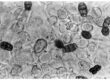
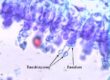
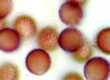
Bipolaris colonies often appear dark brown to black and may have a velvety or fuzzy texture when growing on surfaces. However, mold cannot be accurately identified by appearance alone—laboratory analysis is required to confirm the species.
Is Bipolaris Mold a Health Concern?
For most healthy individuals, low levels of Bipolaris spores may not cause noticeable symptoms. However, elevated levels can be a concern, particularly for:
- Individuals with allergies or asthma
- People with compromised immune systems
- Those sensitive to mold or poor indoor air quality
Exposure may contribute to symptoms such as nasal congestion, coughing, throat irritation, or eye discomfort. In rare cases, certain species of Bipolaris have been associated with infections, primarily in immunocompromised individuals.
What Does Bipolaris on a Mold Test Mean?
Finding Bipolaris in a mold assessment does not automatically mean there is a serious health hazard, but it does indicate that moisture conditions may be supporting mold growth indoors.
A professional mold assessment helps determine:
- Whether levels are elevated compared to outdoor samples
- The likely source of moisture
- Whether remediation is recommended
In many cases, addressing the moisture issue is the most critical step in preventing continued mold growth.
How Is Bipolaris Mold Addressed?
Effective management typically includes:
- Identifying and correcting water intrusion or humidity issues
- Removing or cleaning affected materials when necessary
- Following a proper mold remediation protocol
- Post-remediation verification to confirm conditions have improved
Testing and inspection should always be performed by a licensed mold professional, with remediation handled separately to avoid conflicts of interest.
Give us a call at 407-753-9463 to schedule your Mold Assessment today!

–
–
–
–
Enviro-Hazard Testing Inc is a woman owned, local mold inspection and testing company proudly servicing the Central Florida area of Mount Dora, The Villages, Orlando, Clermont and more.
#moldtesting#moldremediation#moldillness#mold#airquality#AirQualityMatters#mountdora#eustis#tavares#tricityflorida#lakecounty#floridaliving#clermontfl#TheVillages#hurricaneseason#hurricanemoldinspection#MoldAssessment#HurricaneHelene#HurricaneMilton#flooddamage#orlandomold#orlando#orlandohomes#centralfloridamold#centralfloridahomes
Photo Source: https://drfungus.org/knowledge-base/bipolaris-species/