Stachybotrys (“Black Mold”): What Homeowners Should Know
When people hear the term “black mold,” they are usually referring to Stachybotrys chartarum — a dark-colored mold that can grow indoors when moisture problems are left unresolved. While it’s one of the most recognized molds online and in the media, there is also a lot of misinformation surrounding it.
The truth is that Stachybotrys is a moisture indicator mold. Its presence often points to a long-term water issue that needs attention. Understanding what it is, where it grows, and how professionals handle it can help homeowners respond appropriately if mold is suspected inside the home.
What Is Stachybotrys?
Stachybotrys chartarum is a greenish-black mold species that thrives on wet, cellulose-rich materials. Cellulose is commonly found in building materials such as:
- Drywall
- Wood
- Ceiling tiles
- Cardboard
- Insulation paper backing
- Wallpaper
- Carpet backing
Unlike some molds that can begin growing quickly after moisture exposure, Stachybotrys typically requires materials to remain wet for an extended period of time before it develops.
This is why it’s commonly associated with:
- Roof leaks
- Plumbing leaks
- Flood damage
- Chronic humidity problems
- Long-term hidden moisture behind walls or under flooring
Why Is It Called “Black Mold”?
The nickname “black mold” comes from its dark appearance, but many different mold species can appear black in color. That means not every dark-colored mold is Stachybotrys, and visual identification alone is not reliable.
Professional mold testing is often needed to determine:
- What type of mold may be present
- Whether spore levels are elevated indoors
- If hidden moisture issues may exist
- Whether remediation may be necessary
Health Concerns Associated With Stachybotrys
Like many indoor molds, Stachybotrys can contribute to poor indoor air quality and may cause symptoms in sensitive individuals.
Possible symptoms may include:
- Nasal congestion
- Coughing or sneezing
- Eye irritation
- Headaches
- Skin irritation
- Worsened asthma or allergy symptoms
Some strains of Stachybotrys are capable of producing mycotoxins under certain conditions, which is one reason this mold receives significant attention. However, mold exposure affects individuals differently depending on factors such as sensitivity, immune status, duration of exposure, and overall indoor conditions.
The most important factor is not just the mold itself, but the underlying moisture problem allowing it to grow.
Where Is Black Mold Commonly Found?
Because Stachybotrys prefers prolonged moisture exposure, it is often discovered in hidden areas such as:
- Behind baseboards
- Inside wall cavities
- Under flooring
- Around leaking windows
- Behind cabinets or vanities
- Around HVAC systems
- Beneath roof leaks
- Around plumbing penetrations
In many cases, homeowners may first notice:
- Musty odors
- Staining or discoloration
- Warped materials
- Bubbling paint
- Water stains
Visible mold is not always the full extent of the issue.
Why DIY Cleaning Often Misses the Problem
Surface cleaning alone may not solve a Stachybotrys problem if moisture remains trapped behind materials. Mold growth inside wall cavities, under flooring, or within insulation can continue spreading even after visible staining is cleaned away.
Improper cleaning can also:
- Disturb spores into the air
- Spread contamination to unaffected areas
- Miss hidden moisture sources
- Delay proper remediation
For larger or hidden mold problems, professional assessment is often recommended to determine the scope of contamination and identify the source of moisture.
How Professional Mold Testing Helps
Professional mold inspections and testing can help determine:
- Whether mold levels indoors are elevated
- What types of mold may be present
- Whether hidden growth may exist
- If remediation efforts were successful after cleanup
Common testing methods include:
- Air sampling
- Surface sampling
- Moisture mapping
- Thermal imaging inspections
Testing is especially helpful when:
- Musty odors are present without visible mold
- Occupants experience ongoing symptoms indoors
- Water damage has occurred
- A property transaction is involved
- Remediation verification is needed
The Key to Mold Prevention: Moisture Control
Mold cannot grow without moisture. Preventing long-term water intrusion is one of the best ways to reduce the risk of Stachybotrys and other indoor molds.
Helpful prevention tips include:
- Repair leaks promptly
- Keep indoor humidity under control
- Ensure proper ventilation
- Address water damage quickly
- Monitor areas prone to condensation
- Dry wet materials as soon as possible

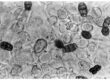
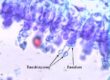
PHOTO SOURCE: https://www.ncbi.nlm.nih.gov/books/NBK606770/figure/fig-2-01/