Understanding Aspergillus on Mold Testing Reports
If you’ve received a mold report and see Aspergillus listed, you’re not alone—this is one of the most commonly identified genera in indoor air and surface samples.
What is Aspergillus?
Aspergillus is a group of molds made up of hundreds of species found both indoors and outdoors. It naturally occurs in soil, decaying vegetation, dust, and building materials. Because it’s so widespread, low levels are often present in the environment.
Why does it show up in mold reports?
Aspergillus produces lightweight spores that easily become airborne. During air sampling, these spores are frequently captured, especially in:
- Homes with elevated humidity
- Areas with poor ventilation
- Properties with past or ongoing water intrusion
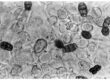
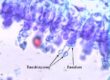
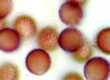
In many reports, Aspergillus is grouped with Penicillium as “Aspergillus/Penicillium” due to their similar spore appearance under a microscope.
When is it a concern?
Not every detection of Aspergillus indicates a problem. What matters is context, including:
- Spore count levels (compared to outdoor samples)
- Indoor vs. outdoor ratios
- Location of sampling (e.g., near HVAC systems, attics, or water-damaged areas)
- Visible growth or moisture conditions
Elevated indoor levels or an imbalance compared to outside air can suggest an indoor amplification source.
Health considerations
Some species of Aspergillus can impact indoor air quality. In certain situations, exposure may contribute to:
- Allergy-like symptoms (sneezing, congestion, irritation)
- Respiratory issues in sensitive individuals
- More serious concerns for immunocompromised individuals
That said, mold reports alone do not diagnose health conditions—they’re a tool to evaluate the environment.
Common places it’s found indoors
- HVAC systems and ductwork
- Attics with high humidity
- Wall cavities and insulation
- Around windows, baseboards, or ceilings with moisture intrusion
What should you do if it’s on your report?
If Aspergillus is present at elevated levels, the next steps typically include:
- Identifying and correcting moisture sources
- Further inspection to locate hidden growth
- Professional remediation if needed
- Post-remediation verification testing to confirm conditions are back to normal
The Bottom Line
Seeing Aspergillus on a mold report isn’t unusual—but interpreting what it means requires looking beyond just the name. Proper analysis considers moisture conditions, spore levels, and the overall indoor environment.
If you’re unsure how to interpret your results, a detailed evaluation can help determine whether what you’re seeing is normal—or a sign of a larger issue.
PHOTO SOURCE: https://thunderhouse4-yuri.blogspot.com/2012/02/aspergillus-flavus.html