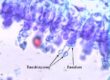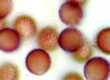
Understanding Pithomyces on Mold Lab Reports
What Is Pithomyces?
Pithomyces is a type of mold commonly found outdoors, particularly in soil, decaying plant material, and grasses. It thrives in warm, humid environments—making it especially common in regions like Florida.
On mold lab reports, Pithomyces is typically identified through air samples or surface samples. While it’s not as commonly discussed as molds like Aspergillus or Stachybotrys, its presence can still provide important clues about a property’s indoor environment.
How Does Pithomyces Get Indoors?
Since Pithomyces is primarily an outdoor mold, it usually enters indoor spaces through:
- Open doors and windows
- HVAC systems pulling in outdoor air
- Foot traffic (shoes, pets, clothing)
- Air infiltration through gaps in the building envelope
In many cases, small amounts indoors are considered normal—especially if outdoor levels are elevated.
What Does It Mean on a Lab Report?
When Pithomyces shows up on a mold report, interpretation depends on concentration and comparison:
- Low levels indoors: Often reflect normal outdoor air influence
- Similar to outdoor levels: Typically not a concern
- Elevated indoors compared to outdoors: May suggest an indoor source or accumulation
Because Pithomyces is associated with plant material, higher indoor levels can sometimes point to:
- Organic debris buildup
- HVAC contamination
- Poor filtration or air exchange
- Moisture conditions supporting settled spores
Is Pithomyces a Health Concern?
Pithomyces is not typically considered a highly toxic mold. However, like many airborne spores, it can still contribute to:
- Allergic reactions
- Respiratory irritation
- Poor indoor air quality
Sensitivity varies from person to person, and even “common” outdoor molds can become problematic when present in high indoor concentrations.
Why Proper Interpretation Matters
Seeing Pithomyces listed on a report doesn’t automatically mean there’s a serious problem—but it also shouldn’t be ignored.
A professional interpretation looks at:
- Indoor vs. outdoor spore counts
- Other mold types present
- Building conditions and moisture readings
- HVAC performance and filtration
This full-picture approach helps determine whether the findings are normal—or a sign of an underlying issue.
The Bottom Line
Pithomyces is a common environmental mold that often reflects outdoor air conditions. However, elevated indoor levels can signal issues like poor filtration, dust accumulation, or hidden moisture.
If you see Pithomyces on your mold lab report and aren’t sure what it means, a professional assessment can help clarify whether action is needed—and how to improve your indoor air quality.

PHOTO SOURCE: https://agresearch.recollect.co.nz/nodes/view/295