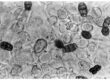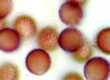
Understanding Basidiospores on Mold Lab Reports
If you’ve ever reviewed a mold air test report, you may have noticed the term “basidiospores” listed among the results. For many homeowners, this can raise questions—especially when the name doesn’t sound familiar.
So what exactly are basidiospores, and should you be concerned?
What Are Basidiospores?
Basidiospores are a type of fungal spore produced by a group of fungi known as Basidiomycetes. This group includes:
- Mushrooms
- Puffballs
- Shelf fungi (wood-decaying fungi)
Unlike some molds that actively grow indoors on damp building materials, basidiospores are commonly found outdoors and are a natural part of the environment.
Why Do They Show Up on Air Test Reports?
Basidiospores are very lightweight and abundant in outdoor air, especially in humid climates like Florida. Because of this, they can easily enter homes through:
- Open doors and windows
- HVAC systems
- Normal air exchange
It’s completely normal to see basidiospores present in both outdoor and indoor air samples.
What Do Elevated Basidiospores Mean?
In many cases, the presence of basidiospores indoors is not an indication of an indoor mold problem. Instead, they often reflect:
- Outdoor air influence
- Seasonal conditions
- High humidity levels
However, interpretation matters. We look at:
- Indoor vs. outdoor comparisons
- Overall spore distribution
- Whether other indicator molds are present
If basidiospores are significantly higher indoors than outdoors, it may suggest unusual conditions—but this is less common and requires context.
Are Basidiospores Harmful?
For most people, basidiospores are considered allergens rather than toxigenic molds. They can contribute to:
- Allergy symptoms
- Respiratory irritation in sensitive individuals
But they are not typically associated with active indoor mold growth like some other species.
Why Proper Interpretation Matters
Seeing basidiospores on a lab report without explanation can be misleading. That’s why professional interpretation is key.
Not every spore type indicates a problem—and not every elevated count requires remediation.
Understanding the type of spores, their source, and the indoor environment helps determine whether what you’re seeing is:
- A normal environmental condition
- Or part of a larger moisture-related issue
The Bottom Line
Basidiospores are a common and expected finding on many mold air test reports—especially in humid regions. On their own, they don’t usually indicate an indoor mold problem.
A complete assessment looks beyond the numbers to evaluate the full picture of your indoor air quality.
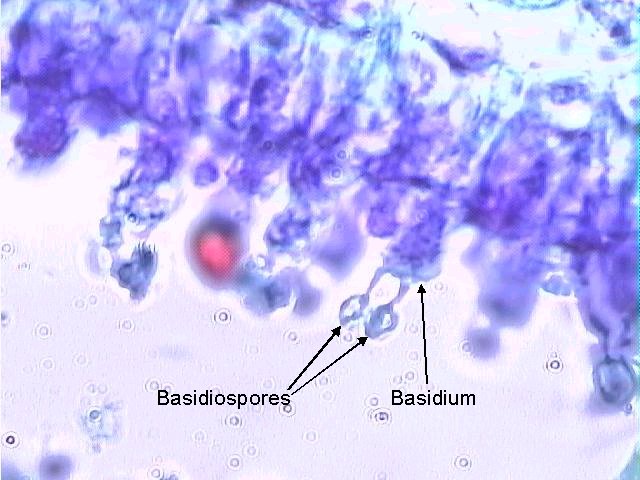
Photo Source: https://bio.libretexts.org/…/03…/3.03%3A_Reading-_Fungi