🦠 What Are Hyphal Fragments & Why Do They Appear on Mold Lab Reports?
Introduction
When homeowners receive a mold lab report, the list of results can feel overwhelming — especially when unfamiliar terms like “hyphal fragments” appear alongside mold spores. Many people immediately ask:
“Is this mold? Is it dangerous? Why is it on my report?”
Understanding what hyphal fragments are — and why laboratories track them — is a crucial part of interpreting indoor air quality results and protecting your home and health.
What Are Hyphal Fragments?
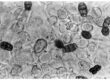
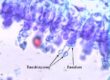
Hyphal fragments are microscopic pieces of fungal structures called hyphae.
Hyphae are the thread-like filaments that form the main body of mold growth. While mold spores are used for reproduction, hyphae are the actual growth structures that spread and colonize materials.
When mold is disturbed — by airflow, HVAC systems, cleaning, construction, or moisture damage — these hyphae can break apart into tiny fragments and become airborne.
These fragments are often smaller than mold spores and can remain suspended in indoor air for long periods.
Why Are Hyphal Fragments Important?
Although hyphal fragments are not spores, they are biologically active mold material and may contain:
- Mycotoxins
- Allergens
- Inflammatory compounds
In fact, research has shown that hyphal fragments can sometimes trigger stronger inflammatory responses in the respiratory system than mold spores themselves.
This means they can contribute to symptoms such as:
- Chronic coughing
- Sinus congestion
- Headaches
- Fatigue
- Eye and throat irritation
- Asthma flare-ups
- Brain fog and neurological symptoms in sensitive individuals
Why Do Labs Include Hyphal Fragments on Mold Reports?
Mold laboratories include hyphal fragments because they provide critical information about active or recent mold growth inside a building.
While spores can enter a home from outdoors naturally, hyphal fragments usually indicate mold growing within the structure — behind walls, in ceilings, under flooring, or inside HVAC systems.
Their presence helps inspectors and consultants determine:
- Whether mold growth is likely active or recently disturbed
- The severity of indoor contamination
- Whether remediation may be necessary even if spore counts seem moderate
In many cases, a report showing elevated hyphal fragments strongly suggests hidden mold growth, even when no visible mold is present.
Hyphal Fragments vs Mold Spores
| Feature | Mold Spores | Hyphal Fragments |
|---|---|---|
| Purpose | Reproduction | Structural growth |
| Size | Larger | Much smaller |
| Airborne behavior | Settle faster | Remain airborne longer |
| Health impact | Allergenic | Often more inflammatory |
| Indicates | Presence of mold | Active or disturbed growth |
Because hyphal fragments are so small, they can penetrate deep into the lungs and even pass into the bloodstream in vulnerable individuals.
What Does It Mean If Your Report Shows Hyphal Fragments?
If your indoor air sample contains hyphal fragments — especially in higher numbers than outdoors — it often indicates:
- Hidden moisture problems
- Mold growth inside building materials
- HVAC system contamination
- Recent disturbance of mold colonies
This is why professional interpretation of mold reports is essential. A low spore count does not always mean the home is safe if hyphal fragments are present.
The Bottom Line
Hyphal fragments are one of the most important — and misunderstood — indicators on a mold lab report. Their presence often reveals what homeowners cannot see: ongoing mold growth and exposure.
Understanding them allows property owners to take early action, preventing long-term health issues and expensive structural damage.
Photo Source: https://pressbooks.online.ucf.edu/…/24-1…/