Understanding Wallemia: The Dry-Climate Mold You Shouldn’t Ignore
When most people think about mold, they imagine damp basements, roof leaks, or visible growth near plumbing issues. But not all mold thrives in wet environments. One lesser-known group of fungi, Wallemia, is uniquely adapted to grow in extremely dry or high-salt conditions—making it a surprise contaminant in homes and businesses.
Although it’s not as widely recognized as common household molds like Aspergillus or Cladosporium, Wallemia can still impact indoor air quality and trigger health symptoms in sensitive individuals. Understanding what sets this mold apart helps property owners make informed decisions about maintaining a healthy indoor environment.
What Is Wallemia?
Wallemia is a genus of fungi found throughout the environment, particularly in conditions that most molds would find too harsh. It is considered:
- Xerophilic – able to grow in very low moisture environments
- Halophilic – capable of surviving in salty or high-sugar environments
- A common environmental mold detected in air samples, dust, and food products
These unique traits allow Wallemia to appear in places homeowners may not expect, including homes that appear clean and dry.
Where Does Wallemia Grow Indoors?
Though it doesn’t require the damp, wet surfaces many other molds need, Wallemia still requires the right microclimate. Indoors, it is most often found in:
- Dusty areas with low ventilation
- Drywall and building materials exposed to fluctuating humidity
- HVAC dust or inside air handlers
- Stored dry foods (flour, dried fruit, spices—Wallemia is common in food industry testing)
- Attics or storage areas that become humid intermittently
Because Wallemia can survive in low moisture environments, it can be detected in air samples even when there is no obvious water damage.
Is Wallemia a Health Concern?
While many species of Wallemia are considered low pathogenicity for healthy individuals, exposure can cause symptoms in those who are:
- Sensitive to mold
- Immunocompromised
- Suffering from asthma or respiratory conditions
- Prone to allergies
Potential symptoms include:
- Sneezing or congestion
- Eye or skin irritation
- Coughing
- Aggravation of asthma
Some species, such as Wallemia sebi, have been studied for allergenic potential, especially in occupational settings like food processing facilities.
What It Means When Wallemia Shows Up on a Mold Test
When our lab results detect Wallemia, it typically indicates:
- Chronic humidity issues, not necessarily standing water
- Dust accumulation, often in HVAC systems
- Poor air circulation or filtration
- Possible contamination from dry goods
Because Wallemia is hardy and adaptable, its presence in indoor air samples is a sign that conditions may be conducive to other molds as well.
How to Reduce or Prevent Wallemia Indoors
Unlike moisture-loving molds that require water intrusion, controlling Wallemia focuses on general indoor air quality and dryness:
- Keep indoor humidity between 40–50%
- Improve air filtration and replace HVAC filters regularly
- Reduce dust accumulation and vacuum with a HEPA system
- Inspect and clean attics, storage spaces, and air handlers
- Store dry foods in airtight containers
- Maintain airflow in tight or enclosed areas
Professional testing helps determine whether the levels present are typical background levels or elevated due to a specific indoor source.
Professional Mold Testing for Peace of Mind
While Wallemia isn’t the most dangerous mold we encounter, it’s still a valuable indicator of indoor air conditions. Whether you’re experiencing respiratory symptoms or simply want a clearer picture of your indoor environment, professional mold testing can help identify not just moisture problems, but air quality trends that may be affecting your home or business.
Our team provides detailed testing, clear explanations of lab results, and recommendations tailored to your property—ensuring you understand exactly what’s in your air.

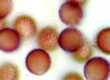
Photo Source: https://blog.mycology.cornell.edu/2007/03/20/the-fungus-in-my-maple-syrup/
Enviro-Hazard Testing Inc is a woman owned, local company proudly servicing the Central Florida area of Mount Dora, The Villages, Orlando, Clermont and more.
#moldtesting#moldremediation#moldillness#mold#airquality#AirQualityMatters#mountdora#eustis#tavares#tricityflorida#lakecounty#floridaliving#clermontfl#TheVillages#hurricaneseason#hurricanemoldinspection#MoldAssessment#HurricaneHelene#HurricaneMilton#flooddamage#orlandomold#orlando#orlandohomes#centralfloridamold#centralfloridahomes