Why Humidity Levels Matter During a Mold Assessment
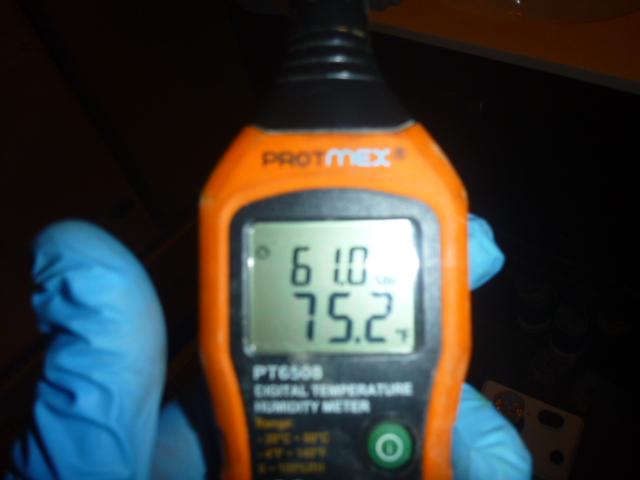
When people think about mold inspections, they often picture air samples, surface testing, or visible growth on walls and ceilings. But one of the most important—and often overlooked—factors we measure during a mold assessment is indoor humidity.
What Is Humidity, and Why Does It Matter?
Humidity refers to the amount of moisture in the air. In climates like Florida, where outdoor humidity is naturally high, maintaining proper indoor levels is critical for protecting both your home and your health.
Mold doesn’t need standing water to grow—it thrives in environments where moisture is consistently elevated. Even slightly high humidity over time can create the perfect conditions for mold to develop on surfaces like drywall, wood, and insulation.
Why We Measure Humidity During an Inspection
During a mold assessment, measuring humidity helps us:
1. Identify Conditions That Support Mold Growth
Even if visible mold isn’t present, elevated humidity levels can indicate a risk. This allows us to catch potential problems early—before they turn into costly damage.
2. Correlate Findings With Air & Surface Samples
If lab results show elevated mold spores, humidity levels help explain why. High indoor moisture often contributes to amplification of mold inside the home.
3. Detect Hidden Moisture Issues
Humidity readings can point to underlying problems such as:
- HVAC inefficiencies
- Poor ventilation
- Roof or plumbing leaks
- Condensation buildup
4. Establish a Baseline for Indoor Air Quality
We document humidity levels at the time of inspection to give homeowners a clear picture of their indoor environment and to support recommendations.
What Are Ideal Indoor Humidity Levels?
For most homes, indoor humidity should be kept between 30% and 60%, with the ideal range being closer to 45%–55%.
When humidity rises above 60%, the risk of mold growth increases significantly—especially in areas with limited airflow like closets, behind furniture, or inside HVAC systems.
Why This Matters for Your Home
Controlling humidity isn’t just about comfort—it’s about prevention. Persistent moisture in the air can lead to:
- Mold growth
- Musty odors
- Damage to building materials
- Increased allergens and poor indoor air quality
By measuring humidity during a mold assessment, we’re not just looking at what’s already there—we’re evaluating the conditions that allowed it to happen.
The Bottom Line
A thorough mold inspection goes beyond visible signs and lab results. Humidity plays a key role in understanding the full picture of your indoor environment.
If moisture conditions aren’t addressed, mold problems can return—even after remediation. That’s why tracking and managing humidity is a critical part of any effective solution.