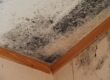
Mold in Dark, Damp Corners: What It Means for Your Home
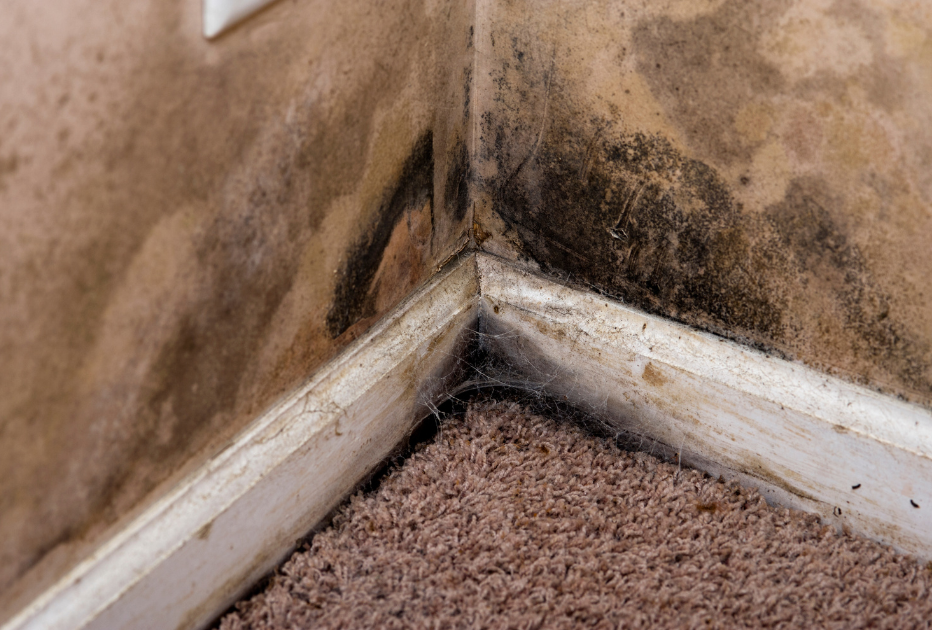
Dark, damp corners are one of the most common places mold begins to grow—and one of the easiest to overlook. Whether it’s tucked behind furniture, inside a closet, or forming where walls meet the ceiling, these areas create the perfect environment for hidden moisture and microbial growth.
Why Mold Forms in Corners
Corners tend to have reduced airflow compared to open areas of a room. When air circulation is limited, humidity can linger and settle on surfaces. Combine that with cooler temperatures—especially on exterior walls—and you get condensation. Over time, that moisture creates an ideal breeding ground for mold.
In Florida homes, this is even more common due to high humidity levels and frequent temperature differences between indoor air conditioning and outdoor heat.
Common Causes of Damp Corners
Mold in corners is often a symptom of an underlying moisture issue, not just surface-level growth. Some of the most common contributors include:
- Poor air circulation behind furniture or stored items
- Condensation on exterior walls or ceilings
- Minor roof or plumbing leaks
- HVAC performance issues or uneven cooling
- Elevated indoor humidity levels
Even small, recurring moisture sources can lead to noticeable growth over time.
Why It Matters
Mold growth in corners may seem minor at first, but it can point to larger concerns within the home. Hidden moisture can extend beyond the visible area—impacting drywall, insulation, and framing.
In addition to potential structural effects, mold can also influence indoor air quality. As mold grows, it releases spores into the air, which can circulate throughout the home and contribute to respiratory irritation or allergy-like symptoms.
What to Look For
Early detection can make a big difference. Keep an eye out for:
- Discoloration or staining where walls meet
- Musty or earthy odors
- Peeling paint or bubbling drywall
- Warping baseboards or trim
These signs often appear before more widespread damage occurs.
What You Can Do
Addressing mold in corners starts with identifying and correcting the moisture source. Simply cleaning the surface without resolving the underlying issue will likely lead to regrowth.
Steps may include improving airflow, managing indoor humidity, sealing leaks, or evaluating HVAC performance. In some cases, professional testing or inspection can help determine the extent of the issue and whether hidden growth is present.