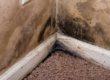
A roof leak can quickly lead to mold growth on ceilings, walls, and surrounding materials if moisture isn’t addressed right away.
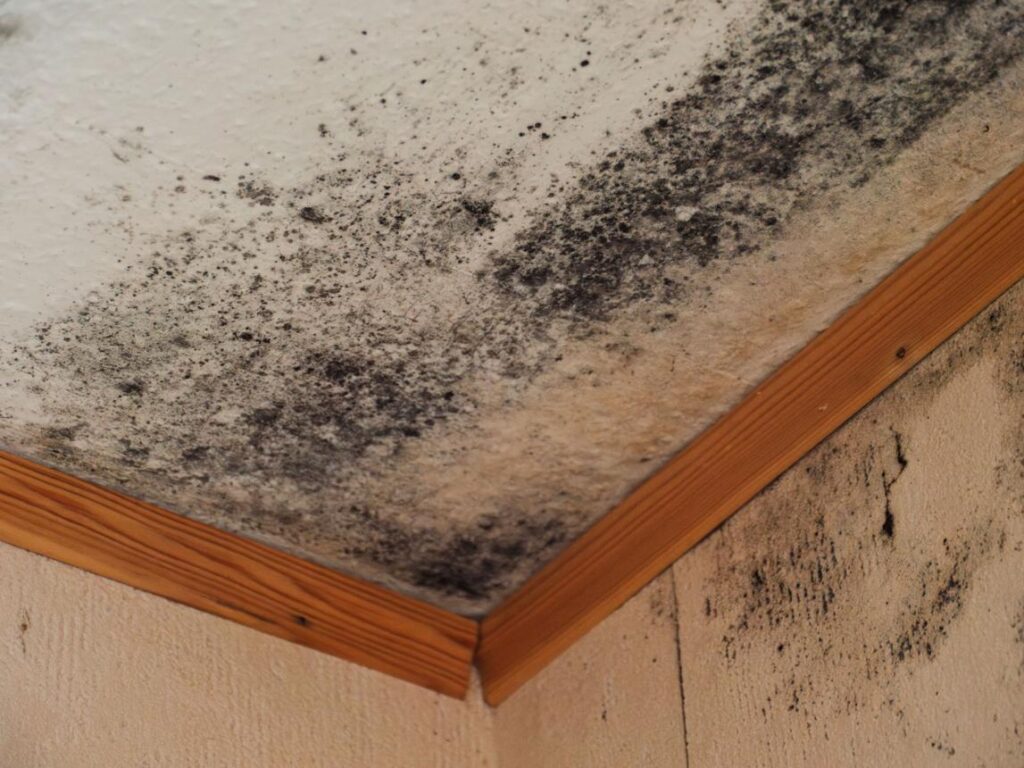
When water enters through the roof, it often shows up as staining, discoloration, or bubbling paint. These visible changes are strong indicators that the material has been wet long enough to support microbial growth.
In Florida’s humid climate, damp building materials can begin developing mold in a short amount of time. Ceiling drywall, wood framing, and insulation are all susceptible once moisture is introduced.
If you notice staining spreading, dark spots forming, or a persistent musty odor after a roof issue, it’s important to have the area evaluated. Mold growth can continue as long as moisture remains present.
A professional mold inspection can help determine the extent of the issue and whether remediation is needed. Addressing both the leak and any resulting growth is key to restoring the area properly.