Myxomycetes: The Unusual Organisms Sometimes Found During Mold Inspections
When performing indoor air quality or mold assessments, clients occasionally ask about unusual growths they notice on damp surfaces. One group of organisms that sometimes raises questions is myxomycetes, often referred to as slime molds. Despite the name, myxomycetes are not actually true molds or fungi.
Understanding what myxomycetes are — and what they mean when found around a property — can help homeowners avoid confusion and focus on the real moisture issues that may need attention.
What Are Myxomycetes?
Myxomycetes belong to a group of organisms known as plasmodial slime molds. Rather than being fungi like typical household mold, they are classified within the Protista kingdom.
These organisms have a unique life cycle. During one stage, they exist as a plasmodium, which is essentially a large single cell containing many nuclei. This organism can move slowly across surfaces in search of food such as bacteria, yeast, and organic debris.
When environmental conditions change, the plasmodium forms fruiting bodies that release spores into the air.
Where Are Myxomycetes Commonly Found?
Myxomycetes are most commonly found outdoors in environments where moisture and organic material are present. Typical locations include:
- Decaying leaves and wood
- Mulch beds
- Soil
- Tree bark
- Compost piles
Because spores are naturally present in outdoor air, they can sometimes enter buildings. However, they are rarely associated with active indoor growth on structural materials the way common molds are.
What Do Myxomycetes Look Like?
Myxomycetes can have a very unusual appearance, which is why they sometimes cause concern when discovered. Depending on the species and stage of growth, they may appear as:
- Powdery patches
- Small clusters or bead-like structures
- Brightly colored masses (yellow, orange, white, or brown)
- Thin crusts on organic surfaces
Outdoors, they are sometimes nicknamed “dog vomit slime mold” because of their yellow, foamy appearance on mulch.
Do Myxomycetes Indicate a Mold Problem?
In most cases, myxomycetes are not indicators of an indoor mold problem. Unlike common indoor molds such as Cladosporium, Aspergillus, or Penicillium, slime molds typically feed on microorganisms found in soil and decaying organic matter.
However, their presence can still point to high moisture conditions. Areas that stay damp for extended periods can support many types of microbial growth, including fungi that do impact indoor air quality.
Why Moisture Still Matters
Even if a growth turns out to be something other than mold, persistent moisture inside a building should always be investigated. Water intrusion, humidity, or leaks can lead to:
- Mold growth on drywall, wood, or insulation
- Damage to building materials
- Musty odors and indoor air quality concerns
Identifying the source of moisture is the most important step in preventing future microbial growth.
When Testing May Be Helpful
If you notice unusual growth indoors and are unsure what it is, professional testing can help determine whether mold or other microbial activity is present. An inspection may include:
- Visual assessment of affected areas
- Moisture measurements
- Air or surface sampling when appropriate
This information can help determine whether remediation is necessary or if the issue is simply related to environmental conditions.
The Bottom Line
Myxomycetes are fascinating organisms that often appear mold-like but are actually a completely different type of life form. While they are usually harmless and more commonly found outdoors, their presence can still signal that moisture conditions are favorable for microbial growth.
Keeping indoor environments dry and addressing water issues quickly is the best way to prevent mold problems and maintain healthy indoor air quality.
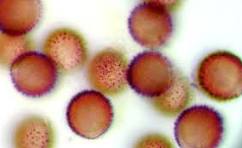
Photo Source: https://www.dabasmuzejs.gov.lv/en/news/exhibition-myxomycetes-latvia-beauty-plasmodium-spores