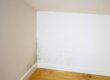
When Paint Starts Peeling: What It Could Mean for Mold Growth
At first glance, peeling or flaking paint might seem like a simple cosmetic issue—but in many cases, it’s a warning sign of something happening beneath the surface.
When paint begins to bubble, crack, or peel away from drywall, it’s often due to excess moisture trapped within the wall system. Drywall is highly porous, meaning it readily absorbs water from leaks, humidity, or condensation. Once moisture gets in, it doesn’t just damage the paint—it creates the perfect conditions for mold growth.
What Causes Paint to Peel on Drywall?
Several underlying issues can lead to this type of damage:
- Roof or plumbing leaks
- Elevated indoor humidity levels
- HVAC condensation issues
- Poor ventilation in areas like bathrooms or kitchens
- Previous water damage that was never fully dried
As moisture builds behind the paint layer, it weakens adhesion—causing bubbling, cracking, and eventually flaking.
Where Mold Comes In
Mold thrives in damp, undisturbed environments—making the space behind peeling paint an ideal breeding ground. By the time visible damage appears, microbial growth may already be present within the drywall or wall cavity.
In some cases, you may not see mold immediately. However, the conditions that cause paint to fail are the same conditions that support mold growth.
Why Testing Matters
Visible signs like peeling paint can point to a larger issue, but they don’t tell the whole story. Professional mold testing can:
- Determine whether mold is present
- Identify the types of mold involved
- Evaluate indoor air quality
- Help guide proper remediation if needed
This ensures that the problem is addressed at its source—not just covered up with a fresh coat of paint.
The Bottom Line
If you notice paint peeling or flaking off your walls, it’s important not to ignore it. What looks like a minor surface issue could be a sign of hidden moisture and potential mold growth behind the drywall.
Addressing the underlying cause early can help prevent more extensive damage—and protect your indoor environment.