Mold growth on interior walls is more than just a cosmetic concern—it’s often a sign of an underlying moisture issue that needs to be properly identified and corrected. In Florida’s humid environment, even small sources of moisture like minor leaks, condensation, or past water damage can create ideal conditions for mold to develop behind paint and drywall.
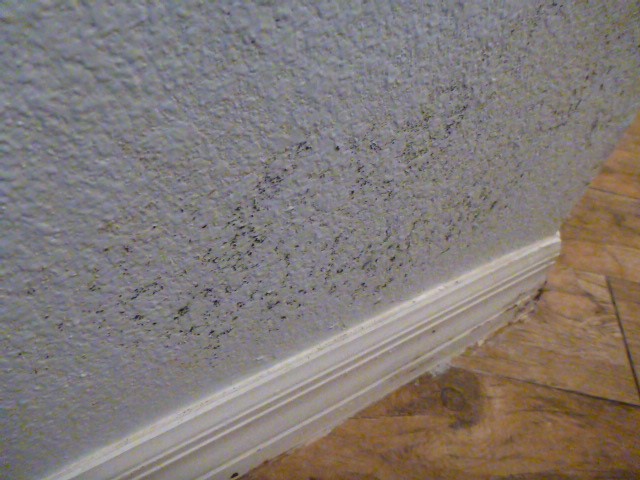
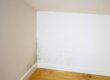
In this case, visible mold growth was observed on the wall during our inspection. We performed a detailed assessment to evaluate the extent of the growth and identify contributing moisture conditions. Situations like this can sometimes involve more than what’s visible on the surface, making proper evaluation an important first step.
Following the inspection, we prepared a mold remediation protocol outlining the necessary steps for safe and effective removal. Under Florida Statute 468 Part XVI Mold Law, a written remediation protocol is required for mold remediation projects in Florida. This document serves as a roadmap for the remediation contractor and includes key details such as containment procedures, removal methods, and recommendations for post-remediation verification.
Having a clear, compliant protocol in place helps ensure the remediation process is handled correctly and thoroughly. It also provides peace of mind that the work is being completed in accordance with state regulations and industry standards.
If you’re noticing staining, discoloration, or possible mold growth on your walls, it may be time for a professional inspection. Identifying the source and having a proper plan in place can make all the difference in resolving the issue effectively.