Mold in the Back Corner of a Cabinet: A Common Hidden Problem
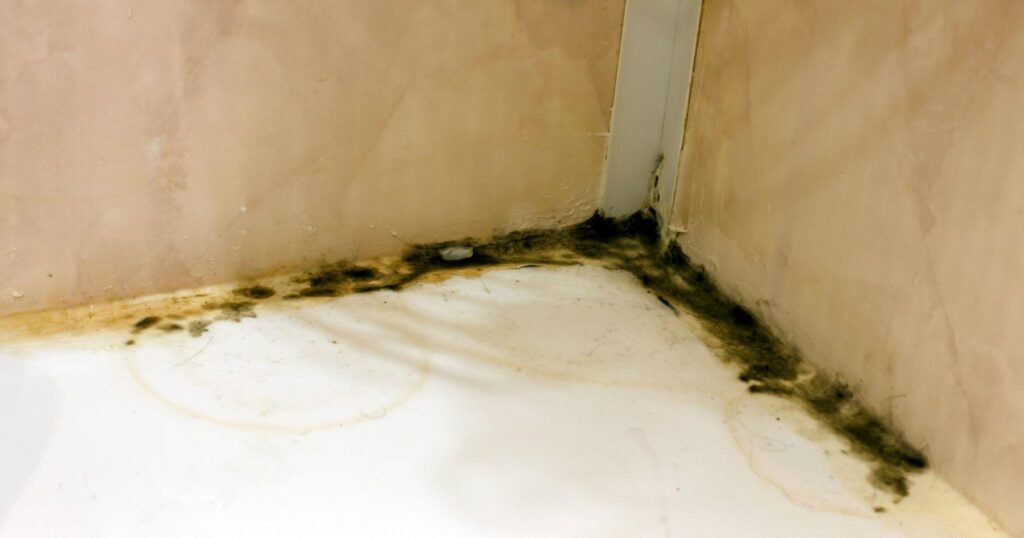
It’s easy to overlook the back corner of a cabinet—but that’s exactly where mold often starts.
Whether it’s under a sink, in a kitchen, or inside a bathroom vanity, these tucked-away spaces create the perfect environment for mold growth: dark, enclosed, and prone to moisture buildup. By the time it’s noticed, there’s often already visible damage.
What Causes Mold in Cabinet Corners?
Mold in this area is almost always tied to a moisture source. Common causes include:
- Slow plumbing leaks from supply lines or drain pipes
- Condensation forming inside cabinets, especially in humid climates
- Past water damage that was never fully dried
- Poor ventilation, allowing moisture to linger
Because the back corner is rarely disturbed, even a minor issue can go unnoticed long enough for mold to grow and spread.
Signs of Mold Damage
When inspecting a cabinet, especially under sinks, look for:
- Dark spotting or staining on wood or particleboard
- Warping, swelling, or softening of materials
- Musty or damp odors
- Peeling laminate or deteriorating finishes
In many cases, what you see on the surface is only part of the issue. The material behind or beneath the cabinet may also be affected.
Why It Matters
Mold growth isn’t just cosmetic—it’s a sign that moisture is present where it shouldn’t be.
Left unaddressed, it can:
- Spread to surrounding materials
- Contribute to indoor air quality concerns
- Lead to more extensive (and costly) repairs
Cabinets made of particleboard or MDF are especially vulnerable, as they absorb moisture quickly and break down over time.
What Should You Do?
If you find mold in a cabinet corner:
- Identify and fix the moisture source
Without correcting the cause, the problem will return. - Avoid disturbing the area unnecessarily
Scrubbing or removing materials without proper precautions can spread spores. - Have the area evaluated
A professional mold assessment can determine the extent of the issue and whether it has impacted adjacent materials. - Follow a proper remediation plan if needed
Depending on severity, affected materials may need to be cleaned, treated, or removed.