Mold Damage on Ceilings in The Villages, FL
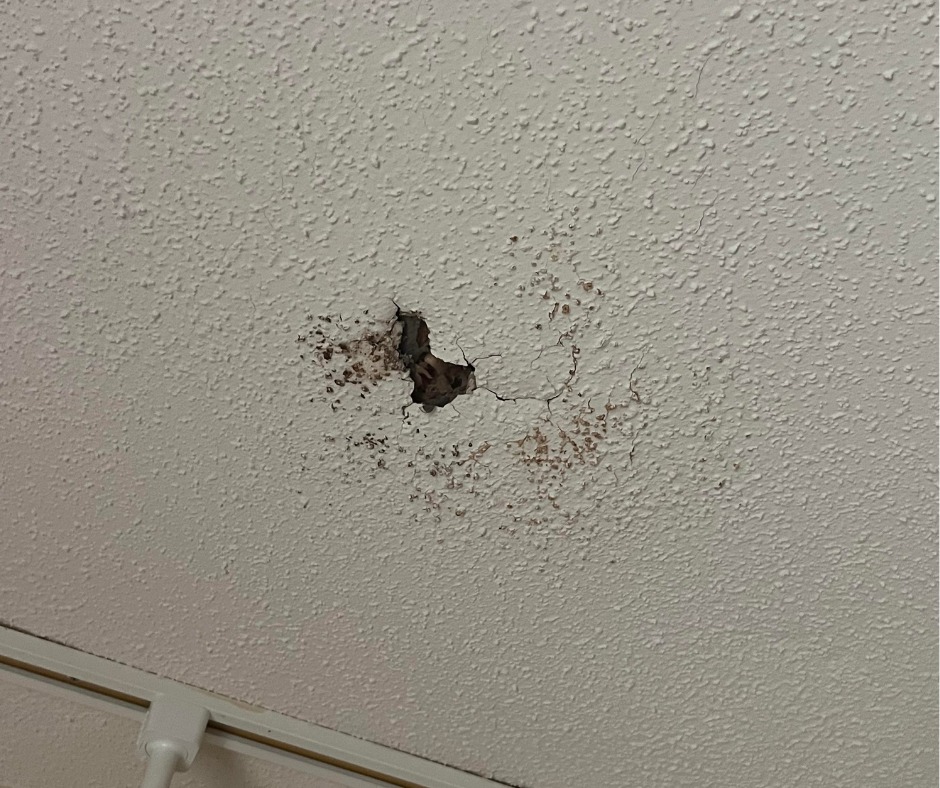
Ceiling mold is one of the most common signs of hidden moisture problems in Florida homes, especially in areas like The Villages where high humidity, roof leaks, plumbing issues, and HVAC condensation can create the perfect environment for microbial growth. While a stained or discolored ceiling may seem like a cosmetic issue at first, mold growth often indicates an ongoing moisture problem that should be addressed quickly.
Why Mold Grows on Ceilings
Mold requires moisture, organic material, and the right temperature to grow. In Florida’s humid climate, ceilings can become vulnerable when water intrusion occurs from:
- Roof leaks after storms
- HVAC condensation or duct sweating
- Plumbing leaks from upstairs bathrooms
- Poor attic ventilation
- High indoor humidity levels
- Overflowing drain pans or air handler issues
Once moisture becomes trapped in drywall or insulation, mold can begin developing within 24–48 hours.
Common Signs of Ceiling Mold
Homeowners in The Villages may notice several warning signs before realizing mold is present. These include:
- Brown or yellow water stains
- Peeling paint or bubbling drywall
- Black, green, or gray spotting
- Musty odors
- Sagging ceiling materials
- Allergy-like symptoms that worsen indoors
In many cases, visible mold on a ceiling is only part of the issue. Hidden growth may also exist above the drywall or inside attic spaces.
Why Professional Mold Testing Matters
Visible mold does not always reveal the full extent of contamination. Professional mold assessments can help determine:
- Whether mold spores are elevated indoors
- The types of mold present
- If contamination has spread to other areas
- Whether hidden moisture is still active
Air sampling and moisture mapping are often used to identify hidden problems that cannot be seen with the naked eye.
The Importance of Finding the Moisture Source
Cleaning visible mold without correcting the underlying moisture issue will usually result in regrowth. Proper remediation starts with identifying and repairing the source of water intrusion.
Depending on the situation, repairs may involve:
- Roofing contractors
- HVAC professionals
- Plumbers
- Dehumidification and drying services
Once the moisture source is corrected, damaged materials can be safely removed and remediation protocols can begin.
Mold Remediation for Ceiling Damage
Professional mold remediation typically involves:
- Containment of affected areas
- Air filtration using HEPA equipment
- Removal of contaminated drywall or insulation
- Cleaning and treatment of structural materials
- Post-remediation verification testing when needed
Following proper remediation protocols helps reduce cross-contamination and restore healthier indoor air quality.
Protecting Your Home in The Villages, FL
Florida homeowners should routinely inspect ceilings for staining, discoloration, or signs of moisture intrusion—especially after heavy rain or HVAC issues. Addressing water damage early can help prevent larger mold problems and costly repairs later on.
If you notice ceiling discoloration, musty odors, or suspect hidden moisture in your home, professional mold testing can help determine the extent of the issue before it worsens.