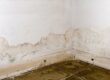
Mold on Baseboards: A Hidden Sign of Moisture Problems in Florida Homes
At first glance, mold on baseboards can be easy to overlook. Light discoloration, faint spotting, or a dusty-looking residue near the floor may not seem urgent—but these subtle signs often point to an underlying moisture problem that shouldn’t be ignored.
Baseboards are one of the most common areas where mold begins to show because they sit at the lowest point of the wall assembly. When moisture is present—whether from a minor leak, elevated indoor humidity, condensation, or previous water damage—it naturally settles near the floor. Over time, that moisture can create the perfect environment for mold growth behind or along baseboards.
Why Mold Often Appears on Baseboards
Subtle mold growth in this area is frequently linked to:
- Past or slow plumbing leaks
- Water intrusion from exterior walls or windows
- Wet carpet or flooring that wasn’t fully dried
- High indoor humidity, especially in Florida homes
- Condensation from HVAC systems or poor airflow
What makes baseboard mold especially concerning is that visible growth is often only part of the story. Mold may also be present behind the baseboard, within drywall, or inside wall cavities—areas that aren’t visible during a casual walkthrough.
When “A Little Mold” Deserves a Closer Look
Even small amounts of mold can indicate ongoing moisture conditions. Left unaddressed, mold can continue to spread along wall surfaces or into adjacent rooms. That’s why professional mold testing is recommended when discoloration or growth is observed, even if it appears minor.
Testing helps:
- Identify whether mold is present beyond what you can see
- Determine the type of mold and spore levels indoors
- Pinpoint potential moisture sources
- Provide documentation for remediation or insurance purposes
The Importance of Early Action
Catching mold early—before it spreads or causes material damage—can significantly reduce repair costs and disruption. Addressing the moisture source is just as important as addressing the visible growth, which is why a proper assessment is key.
If you’re noticing subtle changes along your baseboards, it may be time to take a closer look. When in doubt, professional evaluation can provide clarity and peace of mind.