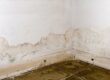
How Florida Storms and Power Outages Lead Mold Growth in Homes
Living in Florida means we’re no strangers to heavy rain, tropical storms, and hurricane-season power outages. But what many homeowners don’t realize is that the mold problem often starts after the storm is over — even when there’s no obvious flooding.
Here’s how Florida weather events quietly create the perfect conditions for indoor mold growth.
🌧️ 1. Wind-Driven Rain Gets Into Places You Don’t See
During strong storms, rain doesn’t just fall — it blows sideways. Wind-driven rain can enter:
- Behind siding
- Around window and door frames
- Through roof flashing or small roof vulnerabilities
- Into soffits and attic vents
This moisture often seeps into wall cavities, insulation, and ceiling spaces where it can’t dry properly, especially in Florida’s already humid climate.
🔌 2. Power Outages = No AC = Rising Indoor Humidity
Your air conditioning system does more than cool your home — it removes moisture from the air.
When the power goes out:
- Indoor humidity can spike quickly
- Surfaces like drywall, ceilings, and furniture absorb moisture
- Condensation can form on cooler materials
If humidity stays elevated for even 24–48 hours, mold can begin developing on organic materials like drywall paper, wood framing, and dust buildup.
🧱 3. Materials Stay Damp Longer in Florida
After a storm, the outdoor air is already saturated with moisture. Opening windows to “air things out” can actually make indoor humidity worse.
This slows drying inside:
- Wall cavities
- Carpet padding
- Baseboards
- Cabinets and closets
These hidden damp areas are prime environments for mold growth that may not be discovered until weeks later.
👃 4. The Problem Often Shows Up Later
Many Orlando homeowners don’t connect mold issues to a storm that happened weeks or months ago.
Common delayed signs include:
- Musty odors
- Staining on ceilings or walls
- Warped baseboards or trim
- Allergy-like symptoms that worsen indoors
By the time these signs appear, mold growth may already be established behind surfaces.
🧪 Why Post-Storm Mold Testing Matters
Even if your home didn’t flood, moisture intrusion and high humidity can still create mold conditions. Professional inspection and testing can help:
- Identify hidden moisture issues
- Detect airborne mold levels
- Determine if growth is active or historical
- Guide proper next steps before damage spreads
Early detection can prevent larger remediation costs and protect indoor air quality.
🏠 Final Thoughts
Florida storms don’t have to leave visible damage to cause indoor air problems. The combination of wind-driven rain, high humidity, and power outages can quietly set the stage for mold growth in areas you can’t see.
If your Orlando home experienced a recent storm or outage and something feels “off,” it’s worth having things checked before a small issue turns into a bigger one.