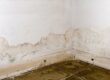
Window sills often collect dust, dirt, and condensation — which makes them a common spot for discoloration. But when you notice dark or fuzzy patches, you may wonder: is it just dirt, or is it mold? The answer matters more than you might think.
Why Window Sills Are Mold Hotspots
Windows are natural moisture points in a home. Everyday condensation, rainwater intrusion, or humidity can create damp surfaces where mold thrives. If the sill stays damp long enough, mold can begin to colonize and spread.
Dirt vs. Mold: Key Differences
- Appearance: Dirt usually wipes away easily and has a dry, powdery texture. Mold often looks fuzzy, slimy, or has a speckled pattern that can spread outward.
- Odor: Mold may produce a musty smell. Dirt will not.
- Persistence: If you wipe the area and the discoloration comes back quickly, mold is more likely the culprit.
Why It Matters
- Dirt is cosmetic and can be cleaned with normal household care.
- Mold, on the other hand, can release spores into the air, trigger allergies, and spread into surrounding materials if left untreated.
The Role of Professional Testing
Visual checks alone can be deceiving. Professional air or surface testing removes the guesswork by confirming whether spores are present and identifying the mold type. This information is crucial for knowing whether remediation is necessary.
Protecting Your Air Quality
If you’re unsure whether you’re dealing with dirt or mold, don’t take chances. Testing provides peace of mind and ensures that your home’s air quality — and your family’s health — is protected.