Mold in Closets and Stored Items: Why It Happens and What to Watch For
Closets are one of the most overlooked areas in a home when it comes to mold growth. Because they’re often closed off, packed with items, and have limited airflow, closets can easily trap moisture — creating the perfect environment for mold to develop.
In humid climates like Florida, this becomes an even more common issue, especially in bedrooms, hall closets, and storage spaces.
Why Closets Are Prone to Mold
Closets don’t typically have the same air circulation as the rest of the home. When you combine that with tightly packed belongings, moisture can become trapped without a way to dry out.
Some of the main contributing factors include:
- Limited airflow from closed doors and tight spaces
- Humidity buildup, especially during warmer months
- Exterior-facing walls that can develop condensation
- Cluttered storage that blocks ventilation
Even if the rest of the home feels comfortable, conditions inside a closet can be very different.
How Mold Affects Stored Items
Mold doesn’t just grow on walls — it can develop directly on personal belongings.
Items most commonly affected include:
- Clothing and shoes
- Leather goods and handbags
- Cardboard boxes
- Paper items and books
- Fabric storage bins
These materials can absorb moisture from the air, allowing mold to grow on the surface — and sometimes deep within the material.
Common Warning Signs
Because closets are enclosed, mold problems can go unnoticed at first. Some early signs to watch for include:
- A musty or damp odor when opening the door
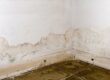
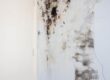
- Discoloration or spotting on walls, ceilings, or items
- Clothes that smell musty even after washing
- Visible growth on shoes, bags, or stored belongings
By the time there’s a noticeable smell, mold may already be established.
Why It Keeps Coming Back
One of the most frustrating issues with closet mold is recurrence. Even after cleaning items or surfaces, mold can return if the underlying conditions aren’t addressed.
This is usually due to:
- Ongoing humidity issues
- Poor airflow
- Hidden moisture in walls or insulation
- Cross-contamination from affected items
Simply wiping surfaces or washing clothes may not be enough if the environment is still favorable for growth.
How to Help Prevent Mold in Closets
Reducing moisture and improving airflow are key.
Some helpful steps include:
- Keeping closet doors slightly open when possible
- Avoiding overpacking and allowing space between items
- Using dehumidifiers or moisture control products
- Storing items in breathable containers instead of sealed plastic
- Monitoring humidity levels in the home
For closets on exterior walls, it’s especially important to keep an eye out for condensation or temperature differences.
When to Have It Evaluated
If mold is visible, keeps returning, or is affecting multiple items, it may be time for a professional evaluation.
Mold testing can help determine:
- If elevated mold levels are present
- Whether the issue is isolated or more widespread
- If there’s a hidden moisture source contributing to the problem